
Sustainable Strategies for Future-Ready Business Centers
5 September 2026 · Emma Thompson
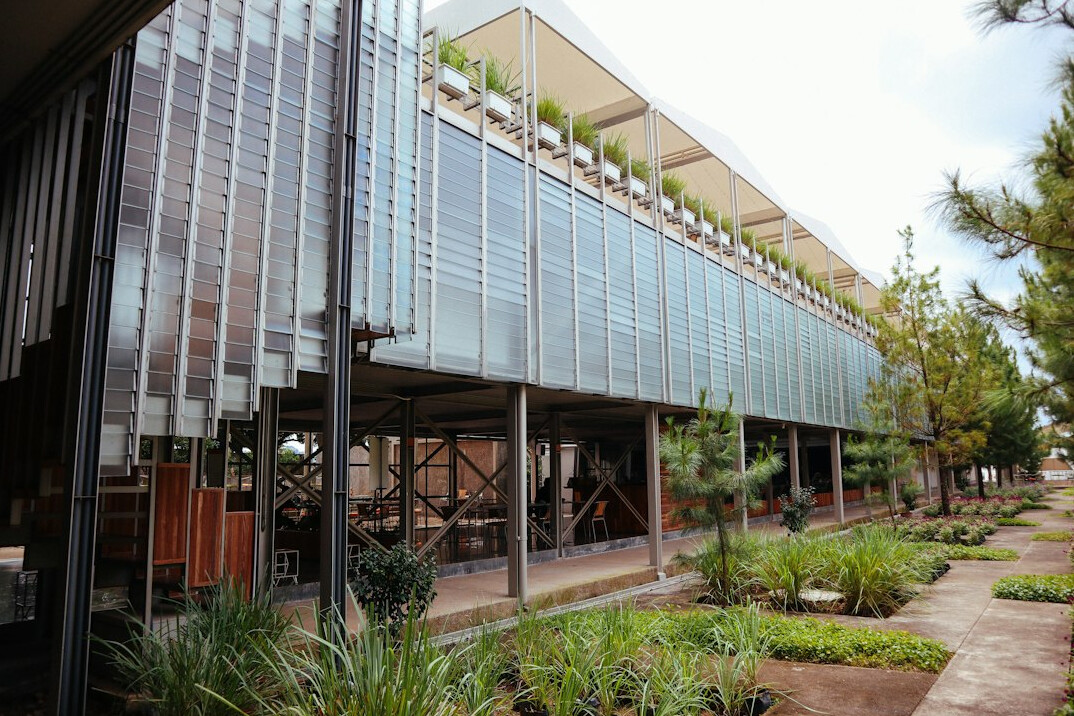
Business centers today face increasing pressure to balance operational efficiency with environmental responsibility. As companies like skillbrixel work to create spaces that support long-term growth, sustainable strategies become essential tools for staying competitive. These approaches go beyond basic recycling and touch on everything from building design to daily operations.

Energy Efficiency as a Foundation
One of the first steps involves rethinking how energy is used throughout the facility. Smart lighting systems that adjust based on occupancy and natural light can cut electricity costs significantly. Heating and cooling upgrades, such as high-efficiency HVAC units paired with better insulation, help maintain comfortable temperatures without excess waste. Many centers are also installing solar panels on rooftops to generate clean power on site.
Water Conservation Measures
Water use often gets overlooked but offers quick wins. Low-flow fixtures in restrooms and kitchens reduce consumption without affecting user experience. Rainwater harvesting systems can supply landscaping needs or even cooling towers in larger setups. Monitoring tools track usage patterns so managers can spot leaks early and adjust accordingly.
Waste Reduction and Circular Practices
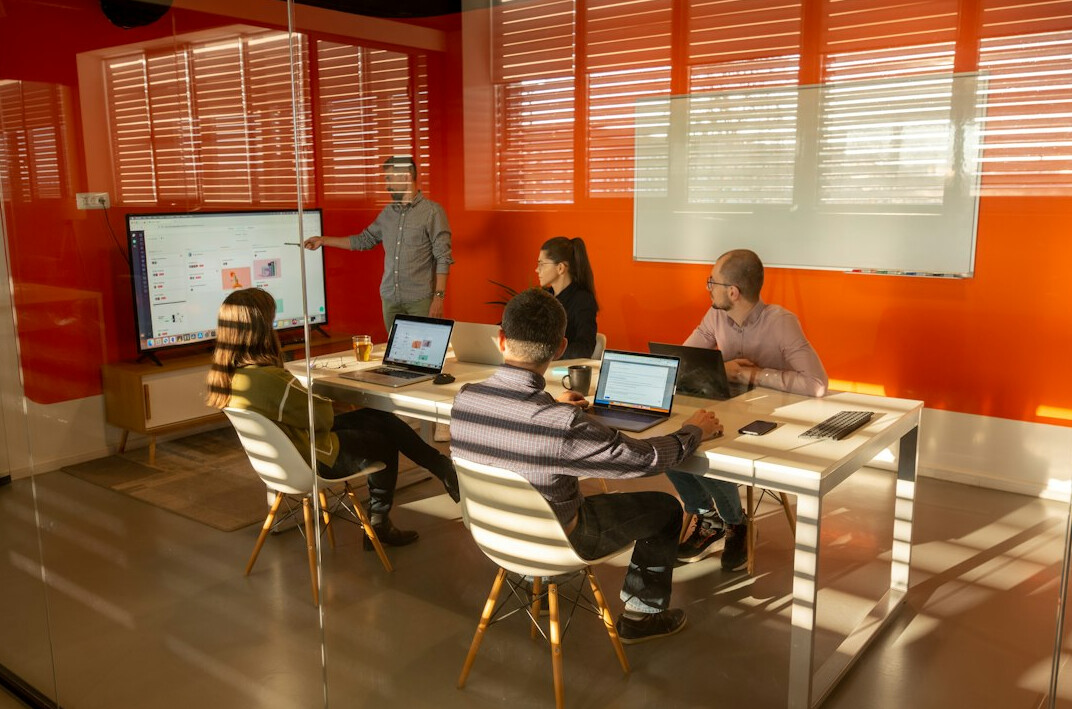
Shifting to a circular model means designing out waste from the start. Providing clearly labeled bins for composting, recycling, and general trash encourages proper sorting. Partnering with local organizations to repurpose furniture or electronics keeps items out of landfills. Digital tools replace paper where possible, from e-signatures to cloud-based document sharing.
Investing in sustainability is not just good for the planet but also builds resilience for future challenges in corporate environments.
Supporting Employee Well-Being
Healthy workspaces contribute to sustainability by improving productivity and reducing turnover. Incorporating plants improves air quality naturally. Flexible layouts allow natural light to reach more areas, cutting reliance on artificial sources. Offering bike storage and showers promotes active commuting, which lowers the overall carbon footprint of the center.
Technology Integration for Smarter Operations
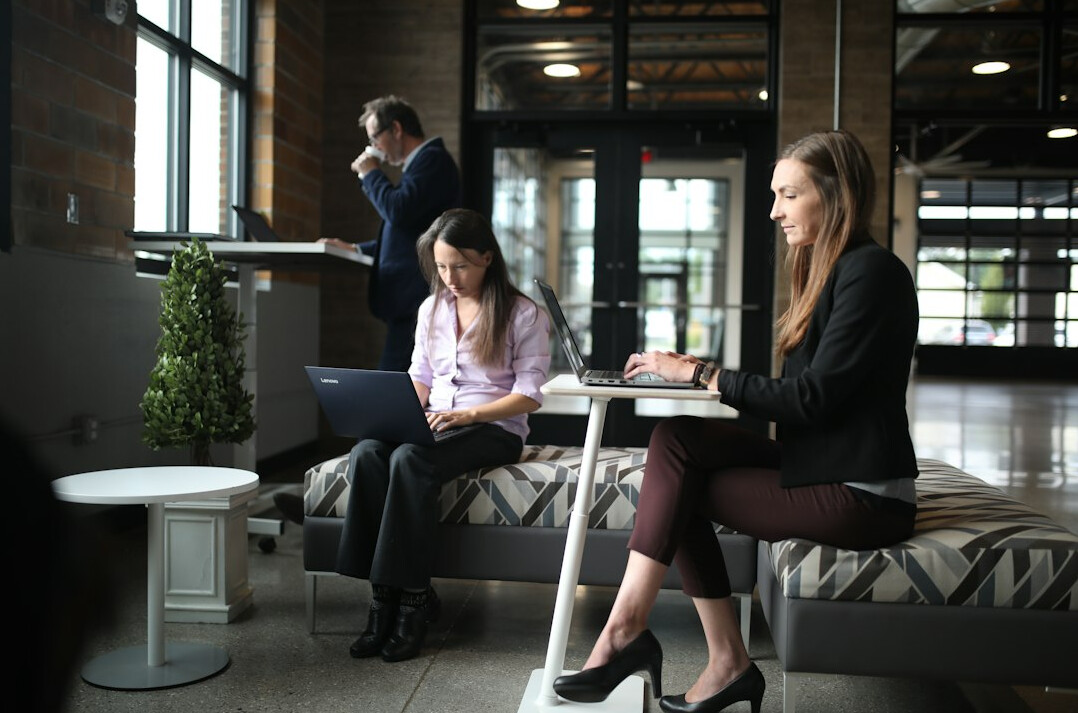
Advanced building management systems use sensors to optimize everything from lighting to security. Data analytics reveal usage trends so resources can be allocated efficiently. Remote monitoring apps let facility teams respond quickly to issues, preventing small problems from becoming large energy drains. These tools align well with the needs of forward-thinking business centers focused on adaptability.
Implementing these strategies requires careful planning and ongoing commitment. Centers that succeed often start with audits to identify priorities, then phase in changes over time. The result is a space that supports business goals today while preparing for tomorrow's expectations around environmental performance.